
True Ballet Turnout: The Most Confusing Thing in Ballet (Explained)
Key Takeaways:
– Turnout is built with strength, not flexibility.
– Turnout starts in the hip socket – anything else is unsafe.
– If your feet are turned out but your knees aren’t, you’re forcing turnout.
– Real turnout feels hard and controlled, not loose or relaxed.
– Fake turnout shifts weight into the joints and leads to injury.
– Turnout is trained in plié and basic barre work, not by stretching.
– True turnout gives you balance, clean turns, and safe landings.
Ballet Turnout is a curious phenomenon. What else could we call a concept that sits at the very core of classical ballet, yet is so often executed incorrectly – even though everyone claims to know the “right” way to do it? It’s almost like knowing that vegetables are good for us, while consistently choosing to eat everything except vegetables.
True Ballet Turnout: The Most Confusing Thing in Ballet (Explained)
Turnout is the very heart of classical dance. Without it, ballet as we know it does not exist. Turnout is ballet. Every step you take – from the “simplest” tendu at the barre to the most spetacular turn on stage – depends on the quality of your turnout.
Yet there is a major misunderstanding in today’s dance world: far too many dancers confuse flexibility with turnout. If they can force their feet into a flat line, they assume that’s a “good turnout.” The internet is full of “turnout improvement” videos, but once you look inside, you mostly find flexibility drills – often the exact opposite of what true ballet turnout requires.
The truth is that much of the turnout we see today is, unfortunately, fake. Instead of being the result of strong, intelligent muscular engagement developed over months (and years) of precise work, fake turnout relies on loose joints, excessive flexibility, and a lack of control.
Is this a problem? Yes. Because rather than supporting a long, healthy dancing career, this approach often leads dancers toward chronic knee pain, hip issues, and eventually the physiotherapist’s – or doctor’s – office.
If you want to be a strong, confident ballet dancer, you need to understand the difference between fake turnout and powerful, true ballet turnout. And if you are a non-professional or recreational dancer, this distinction matters just as much – especially if you want to enjoy dancing without persistent pain cutting your passion short.
What is True Turnout in Ballet?
In simple terms, turnout is the outward rotation of the legs originating from the hip joints. However, that is only one piece of the puzzle. True turnout is more complex – and more demanding – than that.
True turnout is an active rotation of the legs that begins deep in the hip socket and is supported by coordinated work of the gluteal muscles, the deep external rotators, the core, and the back. Yes – all of these components must work together, at the same time.
Before going any further, it’s important to clarify what turnout is not.
Turnout does not happen in the ankles, and it certainly does not originate in the knees. The knee is primarily a hinge joint: it is designed to bend and straighten, with only minimal rotational capacity. Forcing rotation at the knee in order to make the feet appear more “open” places unhealthy stress on the joint. The consequences may not be immediate – but they are almost inevitable.
When a dancer twists the lower leg to achieve the illusion of 180-degree turnout, excessive pressure is transferred to the knees and surrounding structures. This is why turnout isn’t about how far the feet point. In fact, when learning turnout, the feet are a very low priority. The knees tell us far more about the quality of turnout than the feet ever will.
To assess whether a dancer is using true turnout, we need to observe three key elements:
- A straight, fully extended leg. If the knee is softened or slightly bent in order to rotate the foot further outward, the turnout is not genuine.
- Knee alignment. The kneecap should consistently face in the same direction as the toes. If the feet are turned out but the kneecap is drifting forward – or inward – the rotation is coming from below the knee, not the hip.
- Weight-bearing. For turnout to “count,” the dancer must be standing on the leg. Turnout must be observable under load.
If the leg is straight, the dancer is weight-bearing, and the kneecap maintains its outward orientation while executing steps, then the rotation is real – this is true ballet turnout.
The third point often raises questions. What exactly do we mean by weight-bearing, and why does it matter?
True turnout must be assessed in weight-bearing because it is a product of strength, coordination, and neuromuscular control, not passive flexibility. Evaluating turnout in non–weight-bearing positions – such as lying on the floor – does not tell us whether a dancer can maintain and control that rotation against gravity and movement.
This is why floor barre and Pilates, while valuable for other aspects of training, are limited when the goal is to build true turnout. Because they remove load and balance demands, they cannot fully develop the strength and coordination required to sustain turnout in standing, traveling, or turning movements.

The Role of Turnout in Ballet
At this point, you might be asking: if turnout is so demanding – if only a small number of dancers truly possess it – then why do so many dancers still have successful careers without “perfect” turnout? What is the actual purpose of true turnout, and why do we insist on such a difficult position?
Spoiler alert: it’s not about “the lines”.
The real purpose of turnout in ballet is to strengthen, protect, and stabilize the dancer’s body. If you feel unstable in adagio, fall out of pirouettes, or constantly struggle to find where your weight should be, these are not coordination problems – they are placement problems. And proper ballet turnout is what resolves them.
More precisely, turnout organizes the body in a way that optimizes balance and movement efficiency. By externally rotating the legs from the hips, the dancer creates a wider, more functional base of support while maintaining a clear vertical axis. This alignment allows the center of mass to be managed more effectively, freeing the legs to move with speed, precision, and control.
In practical terms, turnout gives the dancer both freedom and security. It allows quick changes of direction without loss of balance and enables powerful movement without excess strain. Turnout is not a stylistic choice – it is an engineering solution. It makes the extreme demands of classical ballet possible in a way that a natural parallel position simply cannot.
When turnout is real, stability is present even in the most demanding movements – movements that do not exist outside of ballet. Multiple pirouettes become possible because the body is organized and supported correctly. Jumps become higher, landings quieter. Adagio becomes smoother, more controlled, and more reliable.
The specific benefits and functions of turnout include:
- Stability and Balance: Turnout provides the structural organization required to remain balanced during complex movements such as turns, jumps, and controlled weight transfers.
- Efficiency of Movement: Proper ballet turnout reduces unnecessary compensations, allowing energy to be conserved and redirected smoothly. This efficiency is what creates ballet’s characteristic fluidity and the sensation of effortless suspension.
- Joint Protection: When established through correct muscular engagement, turnout shifts load away from vulnerable joints – particularly the knees and ankles – and into the stronger muscles of the hips and pelvis, where it can be managed safely.
- Artistic Freedom: A stable, well-organized body allows the dancer to move without constant self-correction. Without this physical security, dancers often remain in a state of tension or anxiety, which limits both technical clarity and artistic expression.
In short, ballet turnout is not merely a position of the legs. It is the functional engine of classical ballet technique – the system that makes strength, control, efficiency, and artistry possible.
The Dangers of Fake Turnout
Executing turnout incorrectly is one of the most significant risk factors in dance training. When a dancer forces the feet into a position that the hips cannot genuinely support, a torsional force is created – a twisting load that the body is not designed to handle under weight-bearing conditions.
Because the hips are not providing the rotation, this torsion is transferred downward into the knees and ankles. Over time, this misplaced force compromises joint integrity and leads to chronic stress injuries.
To clarify the difference, let’s compare true turnout and fake, flexibility turnout:
| True Turnout | Flexibility Turnout | |
|---|---|---|
| Rotation Origin | Rotation initiated deep in the hip socket | Rotation forced from the knees, shins, or ankles |
| Leg State | Fully extended, actively supported leg | Soft or hyperextended knees used to “cheat” rotation |
| Weight Distribution | Evenly distributed across the whole foot | Collapsed arches or excessive weight on the forefoot |
| Body Stability | Pelvis and rib cage remain stable during movement | Hips shift, ribs sway, or the torso compensates to maintain balance |
| Health Impact | Long-term joint health and sustainable strength | Increased risk of overuse injuries to the knees, hips, and ankles |
When turnout is based primarily on flexibility rather than strength, the body relies on passive structures – ligaments, joint capsules, and cartilage – to absorb load. Instead of being supported by muscle, weight sinks into the joints themselves.
True ballet turnout does the opposite. By engaging the deep rotators, gluteal muscles, and stabilizing muscles of the pelvis and trunk, load is actively managed by tissue designed to handle it. This is what allows dancers to train intensely, repeatedly, and over many years without breaking down.
The Risks of Doing it Wrong
When a dancer fakes turnout, the body often compensates by “sitting” in the hips. This posterior shift of the pelvis disrupts alignment: the lower back overarches, the ribs protrude forward, and body weight collapses toward the big toe and inner foot.
This pattern is not only inefficient – it is dangerous.
Sitting in the hips places excessive stress on multiple parts of the body and commonly leads to:
- Pain in the feet and ankles, caused by collapsed arches and unstable weight distribution
- Tension in the neck and shoulders, as the upper body works to counterbalance poor lower-body support
- Knee injuries, which are among the most frequent and career-limiting injuries in dancers
A working dancer should never feel passive, loose, or unsupported in their joints. Turnout should feel like sustained, demanding muscular work. If your turnout feels easy, floppy, or relaxed, it is very likely being achieved through joint compensation rather than strength.
How to Test if You Have True Ballet Turnout
Many dancers can appear perfectly turned out while standing still in front of a mirror. Unfortunately, stillness can hide compensations. To reveal whether turnout is real, you need to add movement – even minimal movement.
The Relevé Turnout Test:
- Stand at the barre in a comfortable turned-out position
- Observe how much turnout you are using
- Slowly rise into relevé
If your feet immediately lose their turnout as your heels leave the floor, the rotation is not being maintained by the hips. True turnout preserves rotational alignment regardless of heel height, because it is initiated and sustained by active muscular engagement, not by foot placement.
The Straight-Leg Balance Turnout Test:
- Stand at the barre in a turned-out position (second position is a good starting point)
- Engage your core and gluteal muscles firmly
- Perform a tendu to the side
- Lift the leg slightly off the floor, keeping it fully straight
- Carefully try to release the barre
If your torso shifts, your pelvis twists, or your supporting knee bends, the turnout is not stable. True turnout allows the leg to lift while the pelvis and torso remain organized and still.
If you find yourself “sitting” into the supporting hip in order to stay balanced, this is not correct ballet placement – it is a sign of insufficient turnout strength and control.
How to Improve Your Ballet Turnout
Now that we’ve established what turnout is – and what it is not – it’s time for actionable advice.
First, a crucial reminder: you cannot build turnout by stretching. Turnout is built through strength, coordination, and precision. It is developed by doing basic barre exercises with full awareness and intention – focusing on strength, symmetry, control, and clarity of placement.
Improving turnout takes time and systematic work. It’s like building a house: you cannot install the windows before laying the foundation. In ballet, that foundation is turnout – and it is built at the barre.
Why Pliés Matter More Than You Think
One of the most effective ways to improve turnout is through pliés. This often surprises dancers, because pliés are among the most familiar exercises in every class. But, like turnout itself, pliés can be done correctly – or incorrectly.
A correct plié (LINK) is not about how deep you bend your knees. It is about maintaining maximum rotational control as the knees bend and straighten. The legs remain actively lengthened, while the hips sustain outward rotation throughout the movement.
Yes, this can feel contradictory – and that’s intentional. A proper plié creates opposing forces in the body: downward motion balanced by active lift, flexion controlled by rotation. This is precisely what trains the deep turnout muscles to work under load. Over time, this coordination strengthens turnout where it actually originates: in the hip sockets.
Use Tools That Reveal the Truth
Clear visual and tactile feedback matters. Training tools that allow you and your teacher to see alignment accurately can significantly accelerate progress.
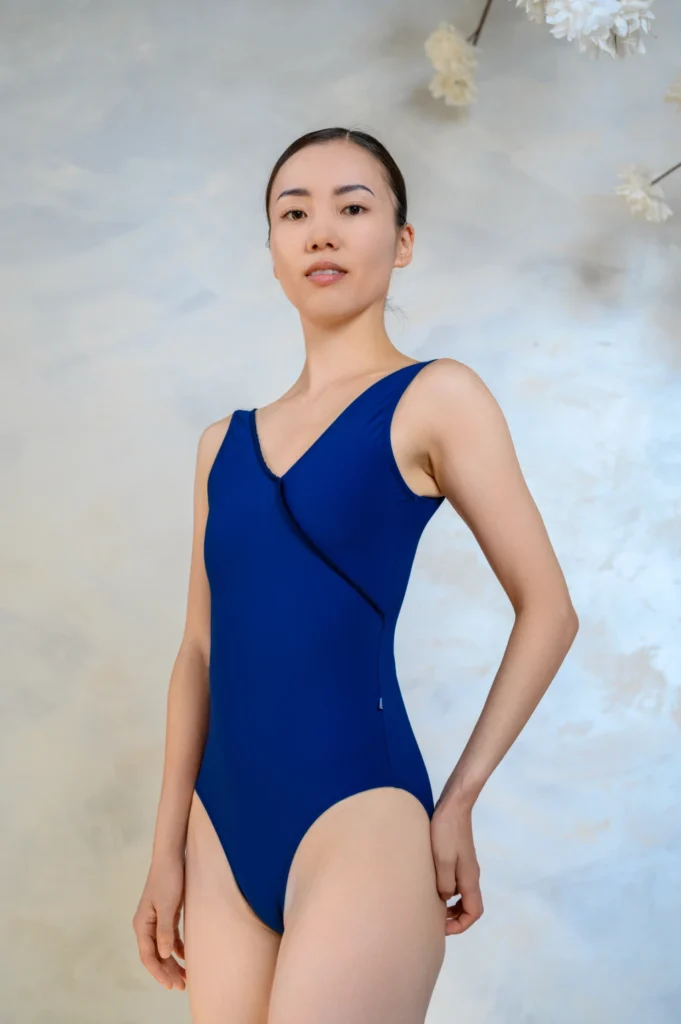
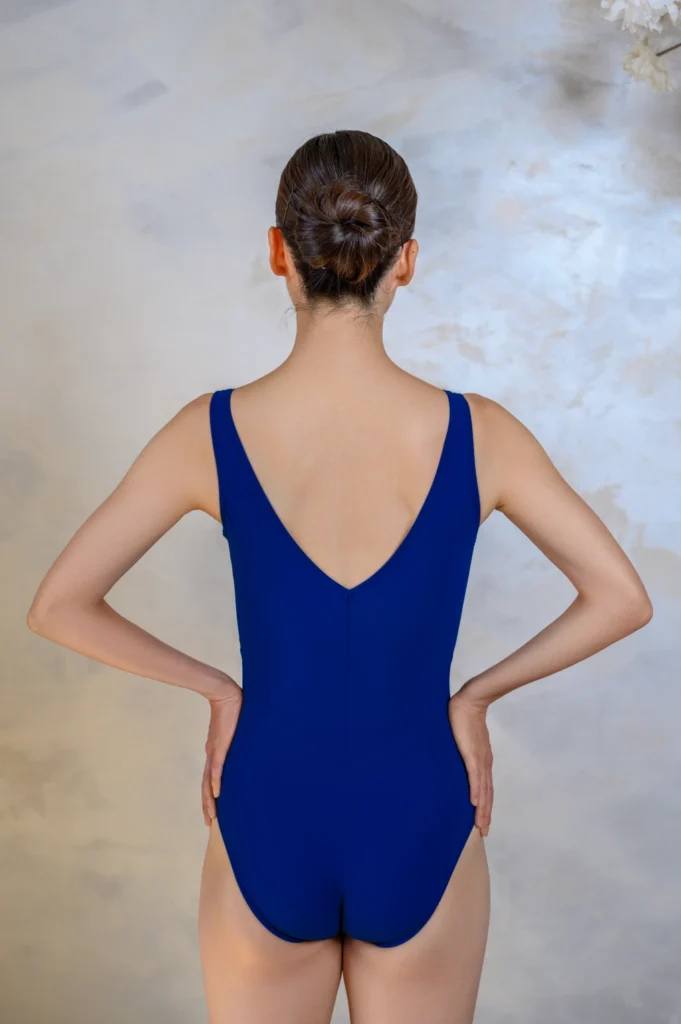
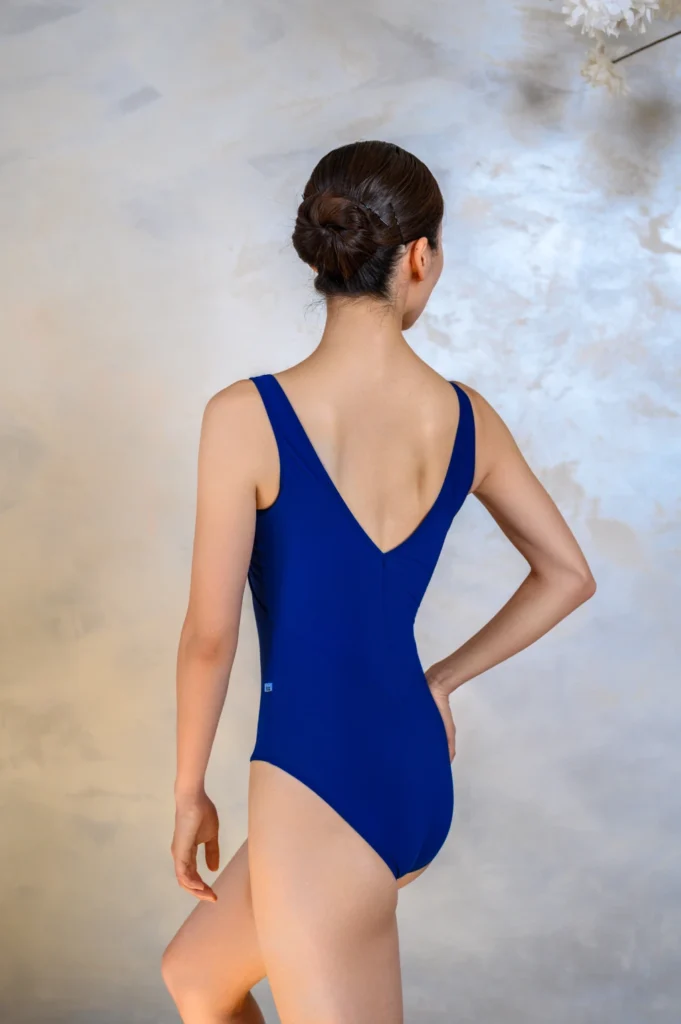
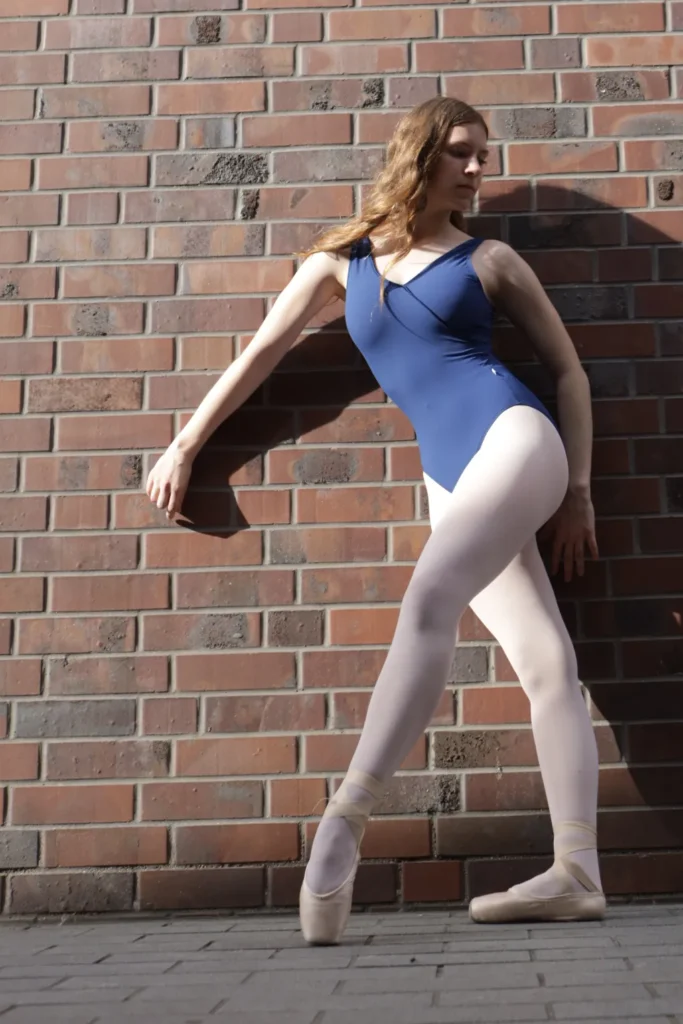
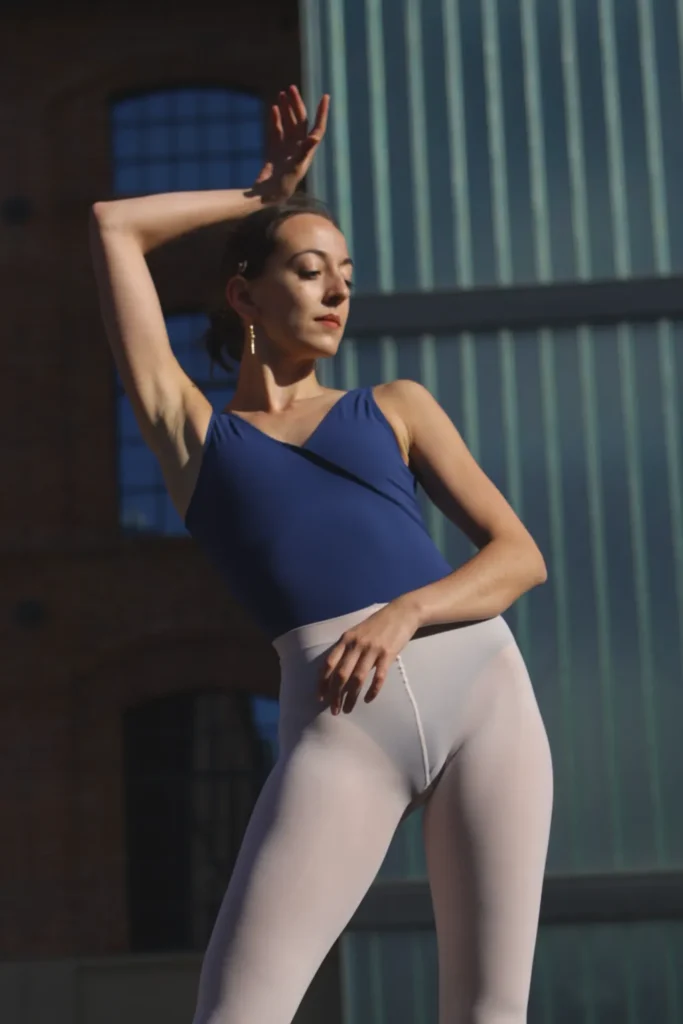
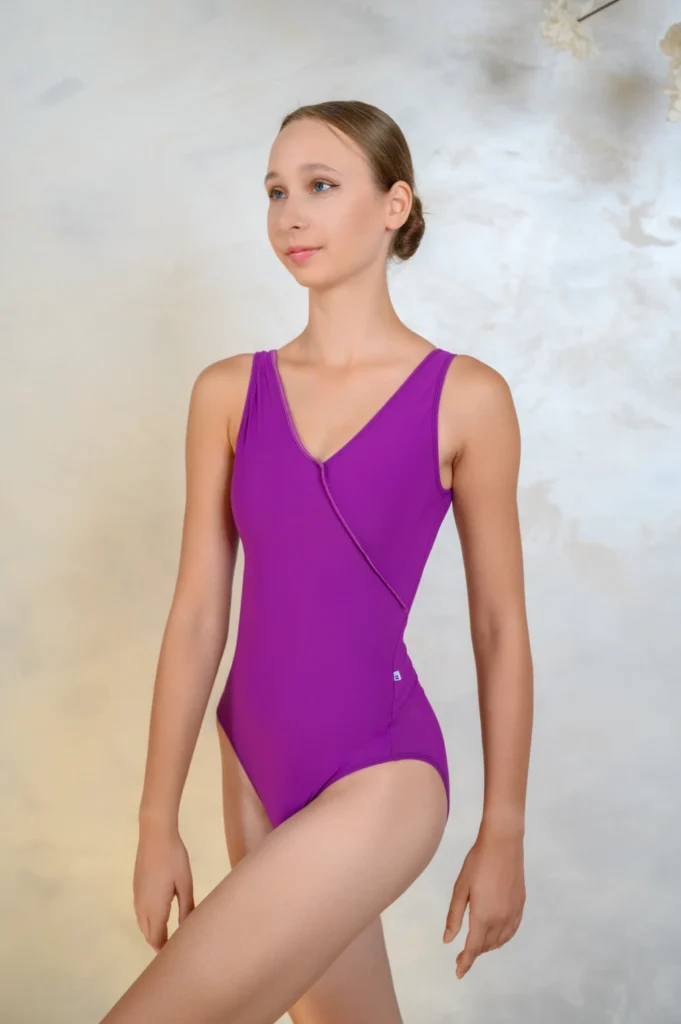
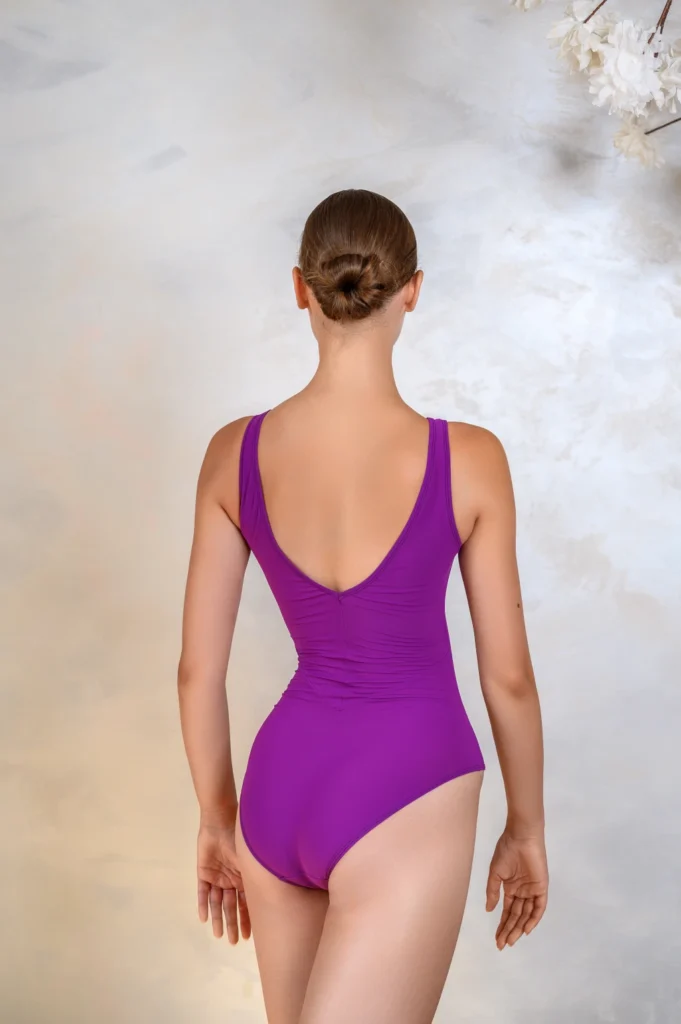
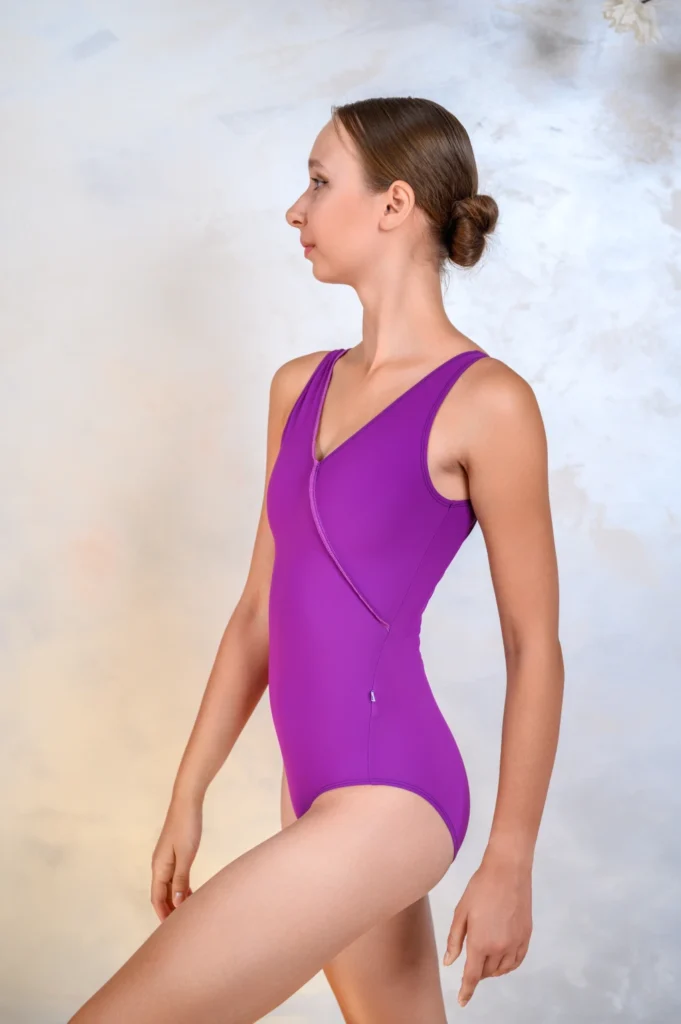
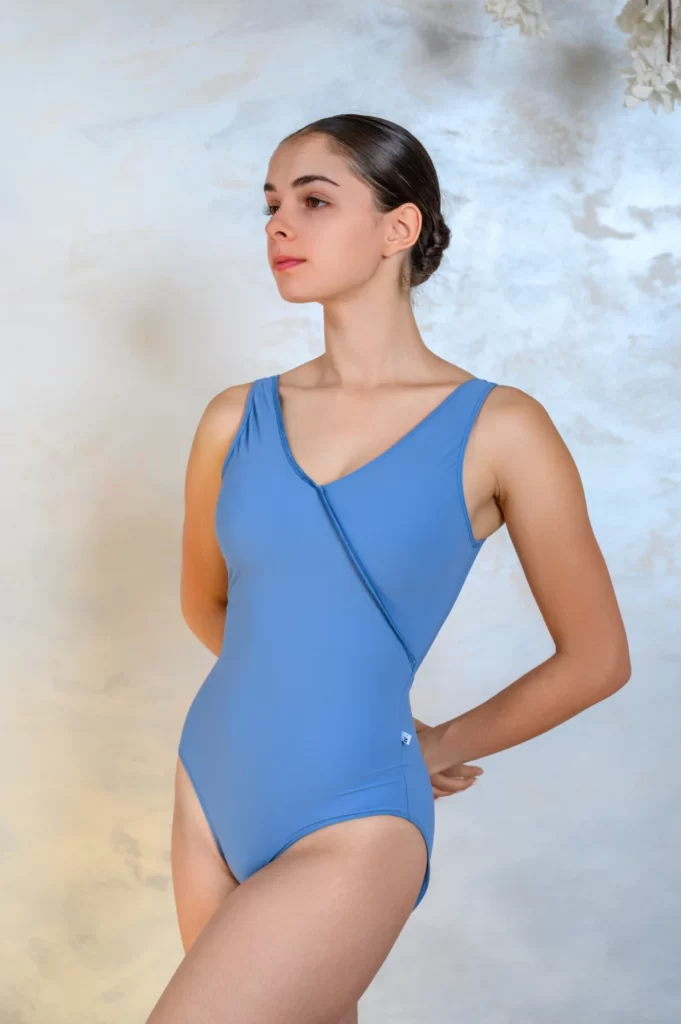
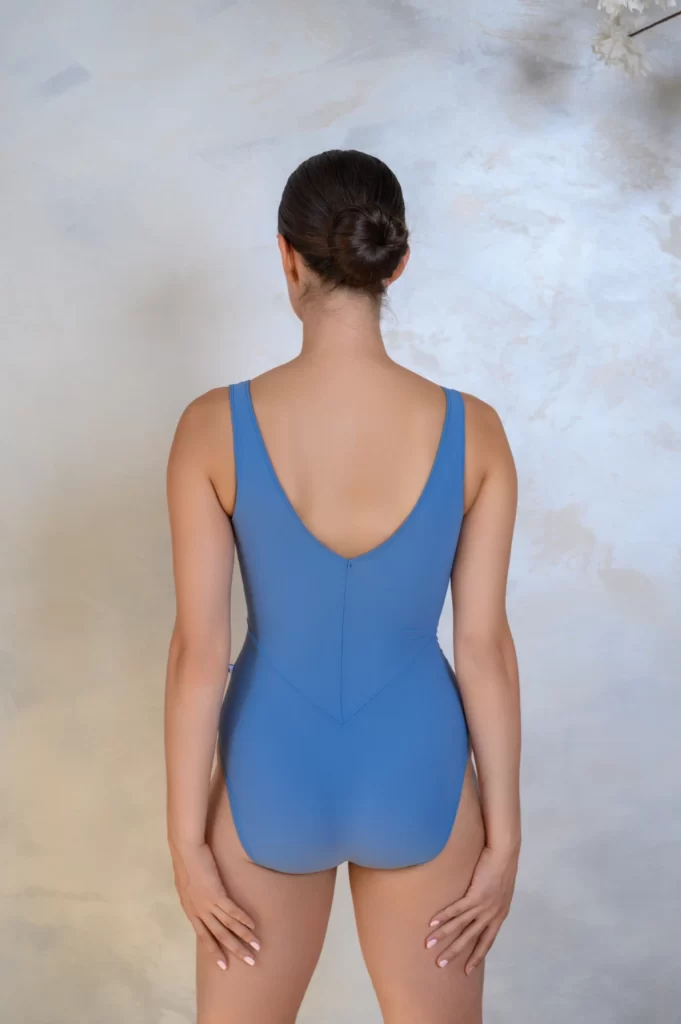
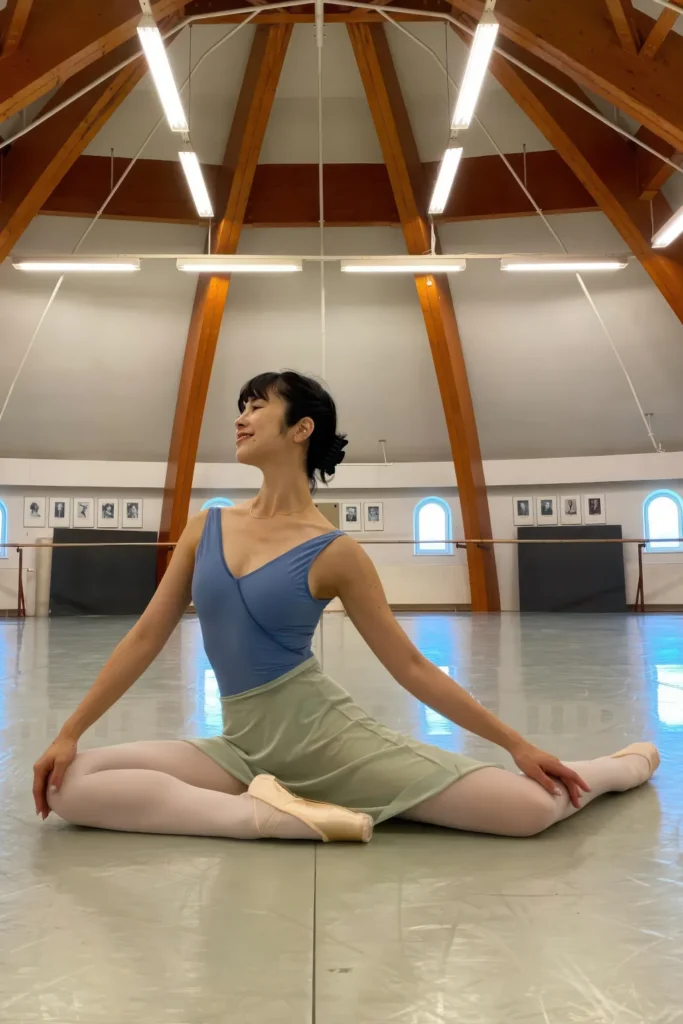
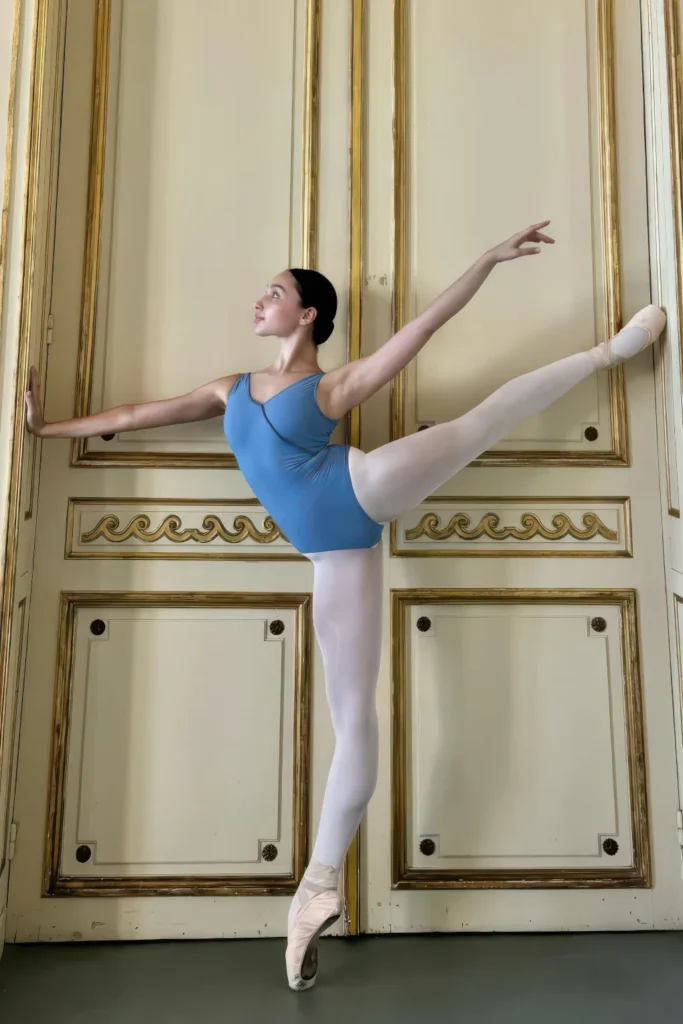
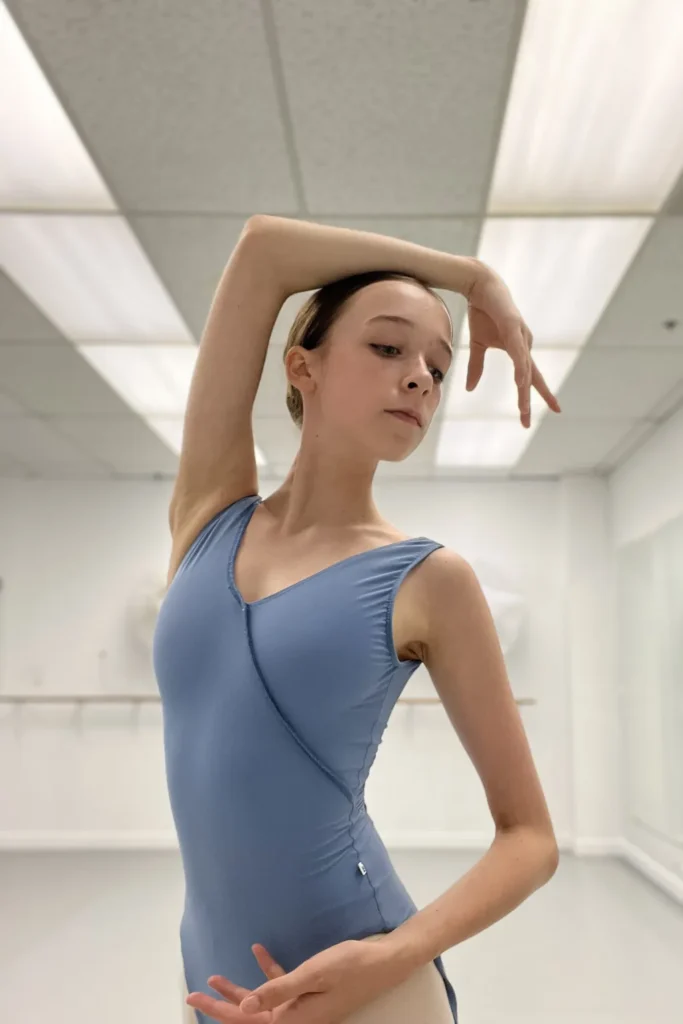
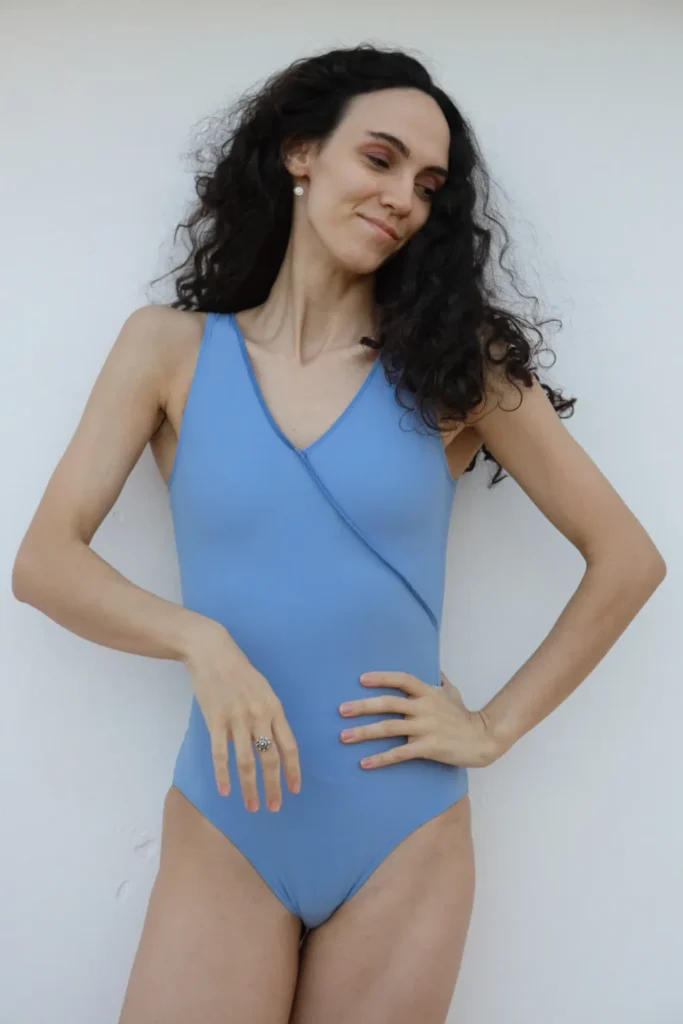
For example, Art Cassé ballet leotards are designed with an ultra-close fit through the abdominal area. This makes it easier to feel core engagement and allows you, and your teachers, to immediately spot issues in posture, placement, and symmetry – details that are often hidden by loose or shifting garments.
The Role of the Back and Core
Turnout does not function in isolation. It depends on the support of the back and core to organize the body vertically and manage weight efficiently.
Some dancers describe this as a “pull-up,” but it is more accurately described as correct ballet placement. When the back and deep core muscles are active, they stabilize the torso and reduce unnecessary compression through the hips. This creates the conditions in which the legs can rotate and move freely without compensatory tension.
If you want to improve your turnout in ballet, you must strengthen your back and core alongside your leg work. The system functions as a whole.
As you begin working on correct pliés and basic barre exercises, many supporting muscles will naturally engage. This is why highly precise foundational work is so effective – and why we don’t isolate every muscle group at this stage. More detailed breakdowns will follow in future articles.
Focus on Quality, Not Quantity
Contrary to a belief that still persists, repetition alone does not build professional-level technique. Doing 32 poorly executed tendus only reinforces inefficient patterns that are difficult to undo.
It is far more productive to perform four precise, fully controlled movements – where the knees are safe, the turnout is active, and the body is well organized – than dozens of careless repetitions.
Every barre exercise should function as strength training. If you are not mentally focused, physically challenged, and mildly fatigued by the end of your barre, you are likely marking rather than training. Real ballet work is demanding. It requires effort, concentration, and energy – but that is the cost of building a reliable technique.
Remember: quality over quantity. Forty minutes of conscious, exact barre work will do more for your turnout – and your dancing – than two hours of unfocused repetition or messy ballet class.
Conclusion: Ballet is Turnout. Turnout is Ballet.
Turnout is the language of classical ballet. It is not about aesthetics alone – it is about strength, control, and coordination.
Without true turnout, a dancer may imitate the look of ballet, but they cannot access its full technical or artistic potential. Worse, they expose themselves to injuries that can shorten or end a career.
Turnout in ballet is not a reward for flexibility. It is a physical capacity built slowly, deliberately, and daily at the barre. Be patient. Stay precise. Focus on the process rather than chasing results.
When trained correctly, true turnout develops faster – and more reliably – than most dancers expect.








![[JPG REQUIRED FOR FACEBOOK] ArtCasse Premium Quality Ballet Leotards - La Première Coupe - Steel Blue - Front](https://www.artcasse.com/wp-content/uploads/2023/09/P-ST-ArtCasse-LaPremiereCoupe-SteelBlue-Front-681x1024.jpg)